
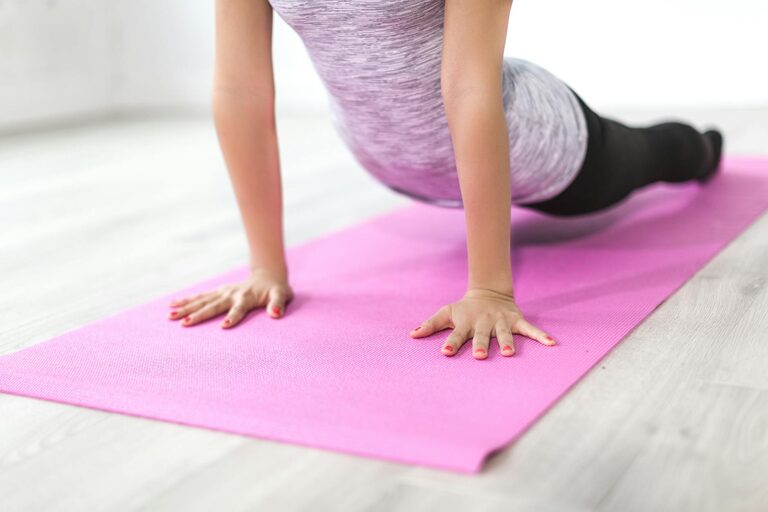
Stretching is a simple and effective way to enhance your physical health, improve flexibility, and reduce muscle tension. Whether you’re new to exercise or looking for gentle ways to stay active, stretching at home can be a convenient and rewarding practice. This beginner’s guide will walk you through the benefits of stretching, essential tips, and easy stretches to get you started safely.
Why Stretch at Home?
Stretching offers numerous benefits beyond just increased flexibility. It helps improve circulation, enhances posture, reduces muscle stiffness, and can even relieve stress. Doing it at home means you can fit stretching into your daily routine at your own pace—no expensive equipment or gym memberships needed.
When to Stretch
Timing your stretches can make a difference. Here are some common options:
– After Waking Up: Gentle stretches can help wake up your muscles and joints.
– Before Exercise: Dynamic stretches (using movement) prepare your body for activity.
– After Exercise: Static stretches (holding a position) help relax muscles and improve flexibility.
– Anytime During the Day: Short stretch breaks during work or relaxation can reduce tension.
Stretching Tips for Beginners
Starting cautiously is key to prevent injury and maximize benefits. Keep the following tips in mind:
– Warm Up First: If your muscles are cold, try light movement like marching or walking in place for 3-5 minutes before stretching.
– Breathe Deeply: Breathe steadily and avoid holding your breath while stretching.
– Hold, Don’t Bounce: Hold each stretch for 15-30 seconds without bouncing to avoid muscle strain.
– Stretch Both Sides: Make sure to give symmetrical attention to right and left sides.
– Listen to Your Body: Stretch until you feel mild tension, not pain. If you feel discomfort, ease off.
– Be Consistent: Stretch regularly, ideally daily, to see lasting improvements.
Essential Stretches to Try at Home
These beginner-friendly stretches cover major muscle groups and are suitable for most people.
1. Neck Stretch
– Sit or stand upright.
– Slowly tilt your head toward your right shoulder until you feel a gentle stretch on the left side of your neck.
– Hold for 20 seconds, then switch sides.
2. Shoulder Stretch
– Bring your right arm across your chest.
– Use your left hand to gently press your right arm closer to your chest.
– Hold for 20-30 seconds and switch sides.
3. Chest Opener
– Stand tall and clasp your hands behind your back.
– Straighten your arms and gently lift your hands upward, opening your chest.
– Hold for 20-30 seconds.
4. Seated Forward Fold
– Sit on the floor with legs extended straight ahead.
– Slowly reach forward toward your toes, keeping your back straight.
– Hold the stretch without forcing and breathe deeply for 20-30 seconds.
5. Cat-Cow Stretch (Spine Mobility)
– Start on all fours with hands under shoulders and knees under hips.
– Inhale and arch your back, lifting your head and tailbone (cow pose).
– Exhale and round your spine, tucking your chin toward your chest (cat pose).
– Repeat slowly for 5-10 breaths.
6. Hip Flexor Stretch
– Step your right foot forward into a lunge position, keeping your left knee on the floor.
– Shift your hips gently forward until you feel a stretch in the front of your left hip.
– Hold for 20-30 seconds, then switch legs.
7. Hamstring Stretch
– Lie on your back and raise your right leg toward the ceiling.
– Hold behind your thigh or calf, keeping your leg as straight as comfortable.
– Hold for 20-30 seconds, then switch sides.
Building a Stretching Routine
Consistency helps improve flexibility over time. Here’s a simple approach to create your daily stretching routine:
- **Choose 5-7 stretches** that feel good and target your main areas of tension.
- **Set aside 10-15 minutes** each day, ideally when you wake up or before bedtime.
- **Focus on slow, mindful movements** and steady breathing.
- **Keep a journal** to track your progress and note stretches that you enjoy or want to improve.
When to Seek Professional Advice
If you have pre-existing injuries, chronic pain, or specific health concerns, consult a healthcare provider or physical therapist before starting any new stretching program. They can tailor stretches to your needs and ensure you’re stretching safely.
Final Thoughts
Stretching at home is an accessible way to improve your flexibility, reduce aches, and foster relaxation. With patience and regular practice, these simple stretches will become a natural part of your day—and your body will thank you for it. So roll out a mat, breathe deeply, and start stretching today!