
Bringing houseplants into your home can add color, life, and a calming atmosphere. However, keeping them healthy requires some basic but important care techniques. Whether you are a seasoned gardener or a beginner, these tips will help your plants thrive and brighten your living spaces.
Understanding Your Houseplants' Needs
Every houseplant species has unique requirements, so understanding your plants is the first step toward successful care.
Know Your Plant Type
– Tropical plants (e.g., philodendrons, monsteras) generally prefer warm, humid conditions.
– Succulents and cacti thrive in dry, sunny environments.
– Ferns often like indirect light and higher moisture levels.
Read the plant label or research online for specific needs related to your plant type.
Light Requirements
Plants need light for photosynthesis, but the intensity and duration vary:
– Bright, indirect light suits many common houseplants.
– Low-light plants tolerate shade but still need some indirect light.
– Direct sunlight can be too harsh for sensitive leaves but is perfect for sun-loving species.
Observe your plant’s location and adjust it if leaves look scorched or if the plant becomes leggy.
Watering Wisely
Overwatering is one of the most common mistakes gardeners make.
Signs of Proper Watering
– The soil should be moist but not soggy.
– Water when the top inch of soil feels dry.
– Use pots with drainage holes to prevent water accumulation.
Tips for Watering
– Water in the morning to allow excess moisture to evaporate.
– Use room temperature water to avoid shocking roots.
– Avoid watering foliage; focus on the soil around the roots.
Soil and Fertilizing
Healthy soil and the right nutrients help plants grow strong.
Choosing the Right Soil
Houseplants usually do best in well-draining potting mixes, sometimes specially formulated for certain species like orchids or succulents.
Fertilizing Schedule
– Feed plants monthly during the growing season (spring and summer).
– Use a balanced, water-soluble fertilizer diluted to half strength.
– Reduce feeding in fall and winter when many plants rest.
Managing Humidity and Temperature
Most indoor plants come from tropical climates and appreciate stable conditions.
Humidity
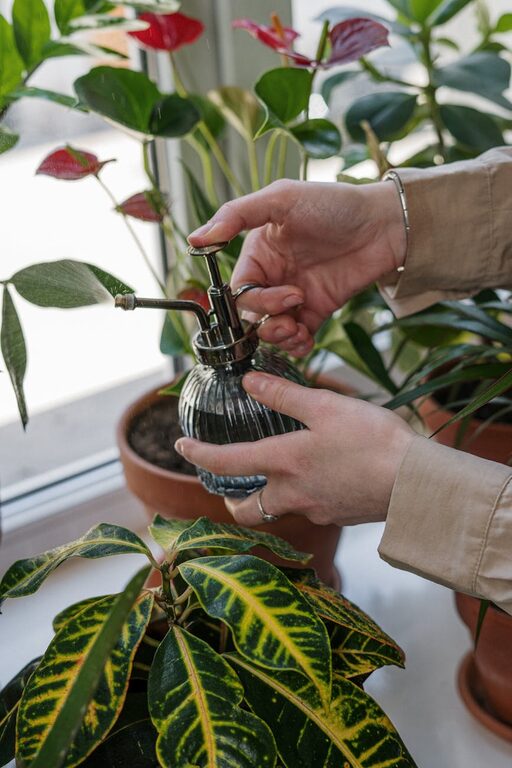
– Increase humidity by misting plants with water.
– Place a tray of water near plants or use a humidifier.
– Group plants together to create a micro-humid environment.
Temperature
– Keep plants away from drafts, heaters, or air conditioners.
– Maintain indoor temperatures between 65°F and 75°F (18°C – 24°C) if possible.
Pruning and Cleaning
Regular pruning encourages healthy growth and prevents disease.
Pruning Tips
– Remove dead or yellowing leaves promptly.
– Trim leggy stems to encourage bushier growth.
– Use clean, sharp scissors or pruning shears.
Cleaning Leaves
– Wipe leaves gently with a damp cloth to remove dust.
– Clean leaves improve photosynthesis and plant appearance.
Preventing and Handling Pests
Houseplants can attract pests like spider mites, aphids, and scale insects.
Prevention
– Inspect new plants before bringing them indoors.
– Keep plants clean and well-maintained.
Treatment
– Use insecticidal soap or neem oil for common pests.
– Isolate infected plants to avoid spreading.
– Increase humidity if spider mites are present, as they prefer dry conditions.
Repotting Your Plants
Plants outgrow their pots over time and need fresh soil.
Signs It’s Time to Repot
– Roots are visible through drainage holes.
– Plant growth slows or soil dries out quickly.
– Pot is cracked or too small.
How to Repot
– Choose a pot one size larger.
– Gently loosen roots and remove old soil.
– Place plant in new pot with fresh potting mix.
– Water thoroughly after repotting.
Enjoying Your Indoor Garden
Taking care of houseplants is a rewarding experience that connects you with nature. With patience and these simple tips, your plants will become a healthy and vibrant part of your home.
Remember, every plant is different, so observe their behavior frequently and adjust your care accordingly. Happy gardening!